02 — THE NUMBERS AT A GLANCE
£475k
Revenue in year 1
150+
Personalised automations built
70%+
Open rates across the programme
03 — the Starting position
We've written separately about the commercial side of this engagement: connecting the data, making the internal case, and the £700,000 of total CRM revenue in the first six months.
This page is about the automation architecture underneath it. What got built, in what order, and why. Of the CRM revenue generated across year one, £475,000 came from automated flows alone, running without anyone touching them. The rest came from campaigns. That distinction matters if you're deciding where to put your effort. Campaigns need a person every week. Flows need a person once.
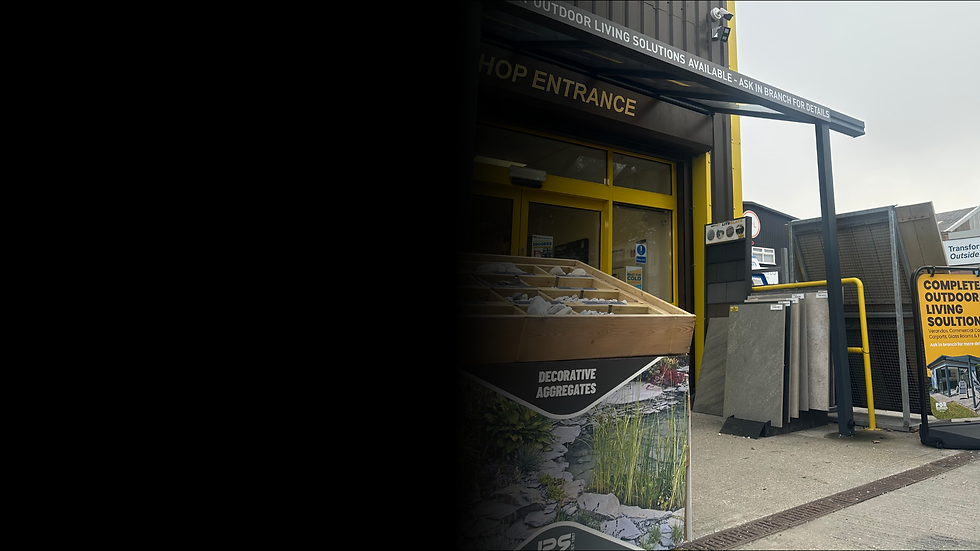
A regional builders merchant with 25,000 contacts in Mailchimp and not a single automation running.
No welcome series. No abandoned basket. No follow-up when someone browsed and left. No contact with a customer who hadn't been in for six months. Nothing triggered by anything a customer actually did.
Every email that went out was a decision someone had to make, which meant on a busy month nothing went out at all.
04 — THE FUN BIT
what
We dId
01
the foundation of purchase data
None of it works without this. Purchase history from the in-branch system integrated with Klaviyo, so every contact carried what they bought, when, how often and how much they spent.
Before this, a contact was an email address. After it, a contact was a customer with a pattern.
03
the standard journeys
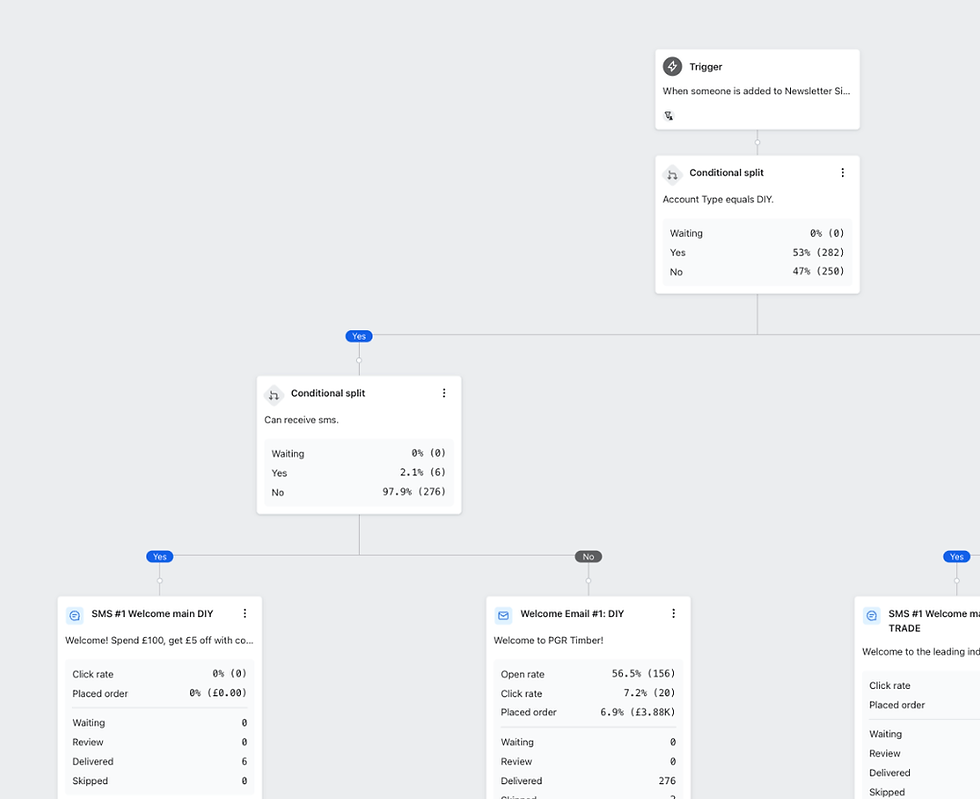
Welcome series. Abandoned basket. Abandoned browse. Post-purchase.
These are the foundational journeys most businesses should have in place, yet many still rely almost entirely on one-off campaigns. They may not be the most sophisticated automations, but they respond to clear customer behaviour at the moments when communication is most useful.
02
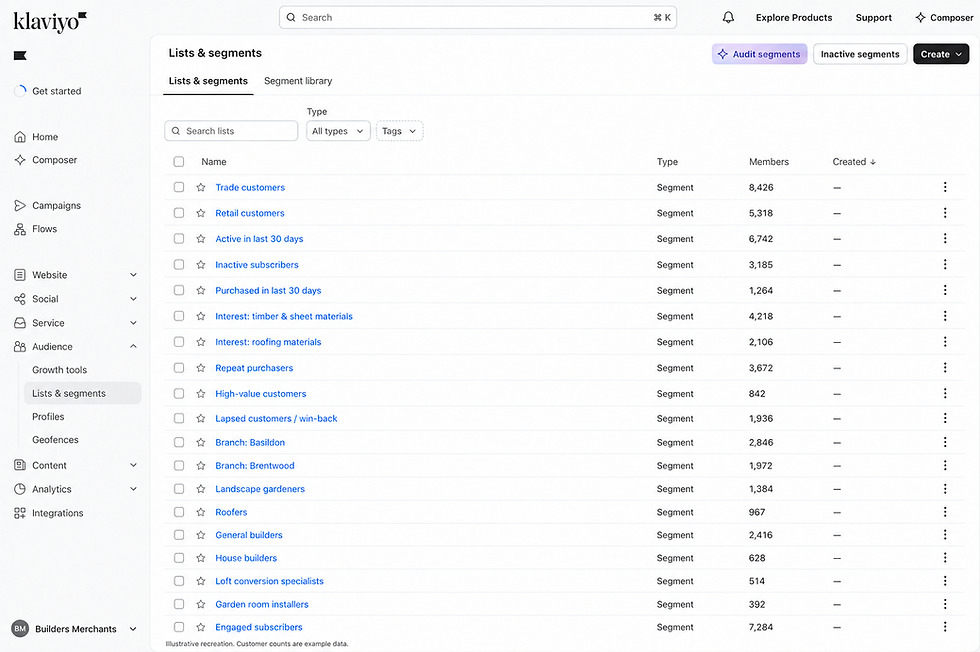
segmentation
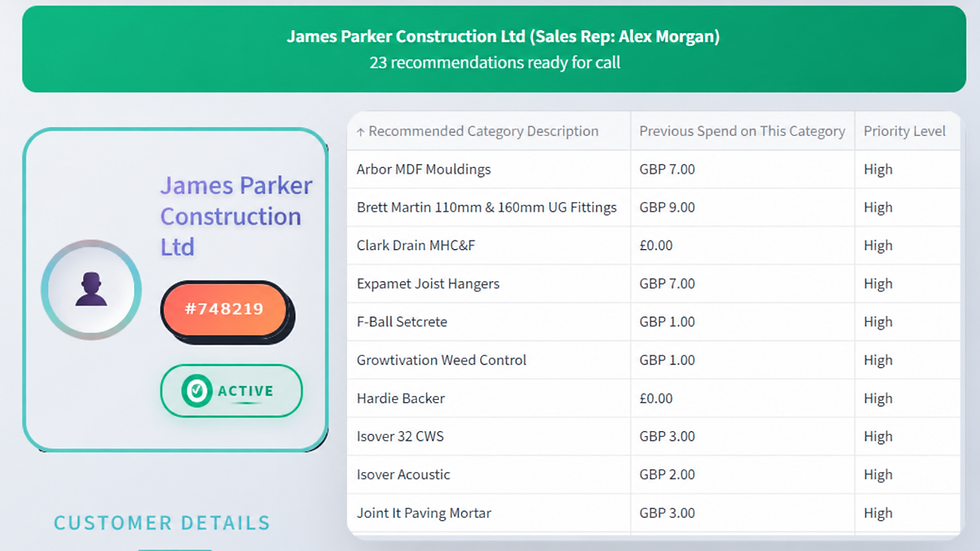
Trade type first: builders, landscape gardeners, carpenters, roofers and others. Then layered with location, last purchase date, lifetime value, lapsed status, loyalty, and repeat purchase likelihood within a seven-day window.
The segments weren't the point. What they made possible was.
04
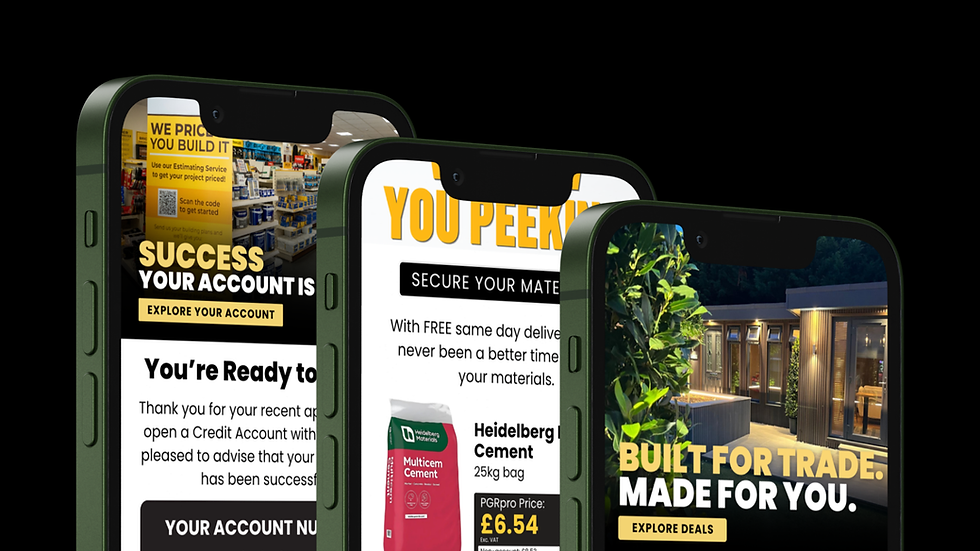
account creation journeys
Trade, DIY, credit account and cash account. Four different customers, four different buying patterns, four different reasons for opening an account.
Most businesses send one welcome email to everyone. A credit account customer opening a trade account is a fundamentally different prospect to someone buying decking for their garden, and treating them identically wastes the most valuable moment you'll ever have with them.
05
lapsed & winback
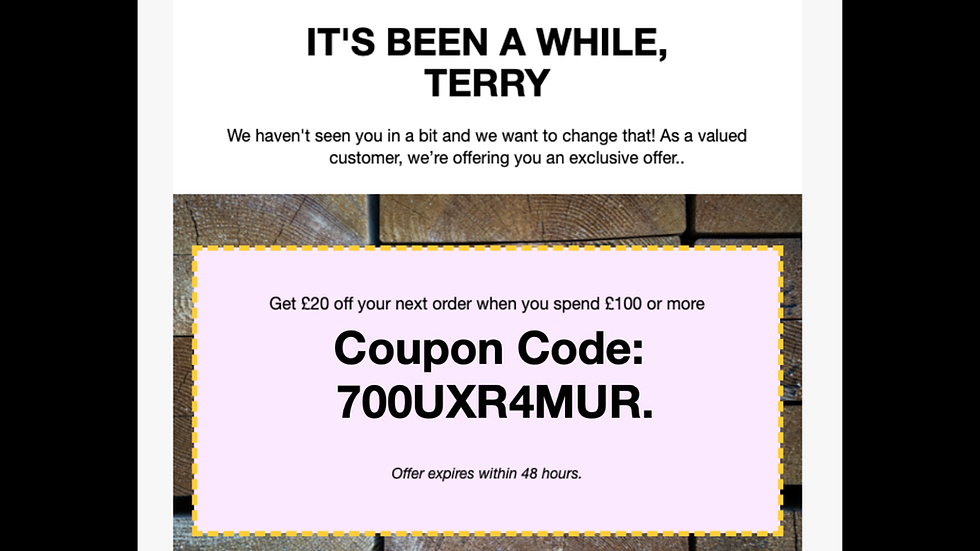
A gap that indicates a lapsed customer in one segment may be completely normal behaviour in another. Treating everyone the same would either prompt people too early or allow a valuable customer relationship to go quiet for too long.
By using purchase history and expected buying patterns, each journey could respond at a more appropriate moment. The result was communication shaped around how customers actually bought, rather than an arbitrary number of days applied to the entire database.
06
hyper-personalised journeys
The most valuable and the hardest.
Not "here's 10% off". The right product prompt, to the right trade, at the point in their cycle when they'd normally reorder, based on what they'd actually bought before.
A roofer buying felt every eleven weeks gets contacted in week ten. Not because a campaign calendar said so, but because that's when they're about to need it.
07
DEliverability underneath it all
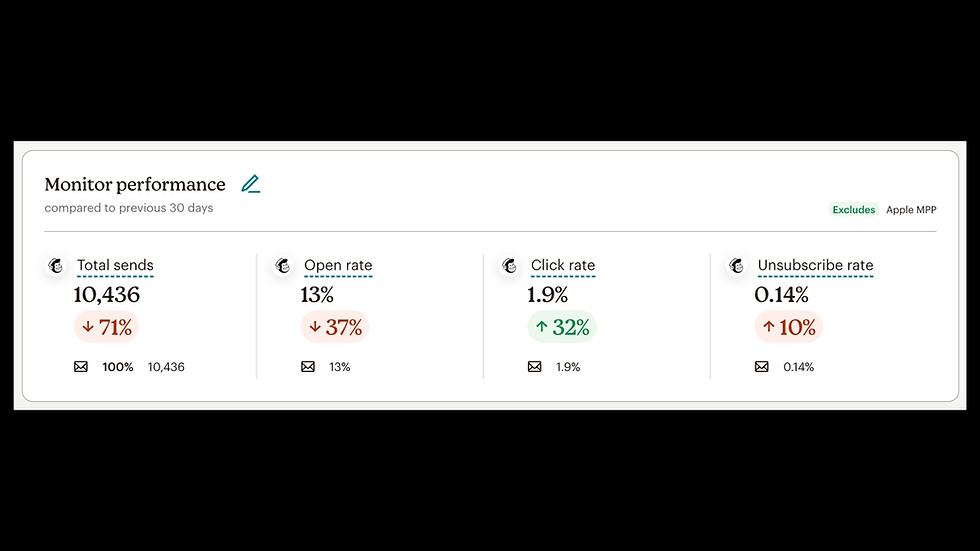
Authentication, list cleaning and a staged warm-up to rebuild sender reputation. The least visible work and the reason open rates went above 70%. No amount of clever automation fixes an email that doesn't arrive.
05 — the build order
Highest revenue first, not easiest first.
That sequence is the difference between a programme that pays for itself in month two and one still being justified in month six.
01
Phase 1
Welcome series and abandoned basket. Fastest to build, fastest to earn.
03
Phase 3
Lapsed and win-back. Needed the purchase data mature enough to set sensible triggers.
02
Phase 2
Account creation journeys and post-purchase. Moderate build, high long-term value.
04
Phase 4
Hyper-personalised flows. Highest value, longest build.
04 — the outcome
What Worked
-
£475,000 from automated flows in year one, in a business that had none twelve months earlier.
-
Open rates above 70% across the programme, up from 19%.
-
The flows kept running through holidays, busy periods and staff changes. That's the part worth understanding. A campaign programme stops when the person running it gets busy. An automation programme doesn't.
What Was the Hardest
-
SMS. We expected it to perform given trade customers are on their phones constantly, and it underperformed across everything we tried. We stopped rather than kept spending.
-
The hyper-personalised flows took considerably longer than planned, entirely down to available resource rather than technical difficulty. They were phased last for that reason, which was the right call, but they'd have earned more had they landed sooner.
-
It's why we now build a realistic sequence into every CRM plan rather than promising everything in month two.